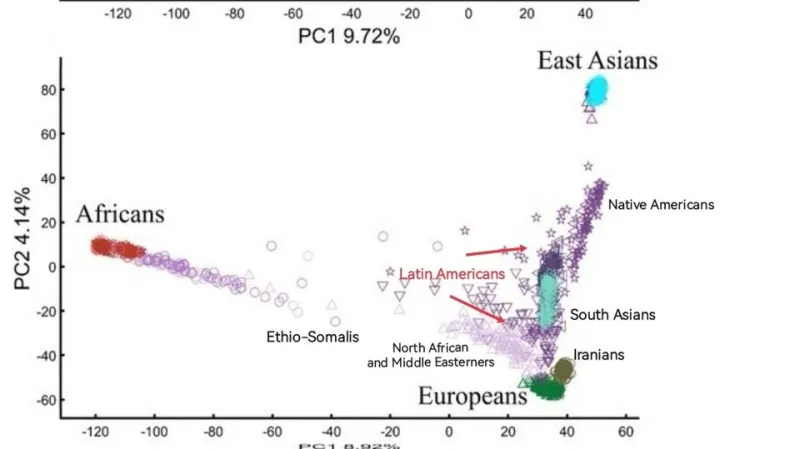
Rhythms Reclaimed: The Afro-Latin Musical Heritage Finally Finding Its Place at the Center of Global Culture
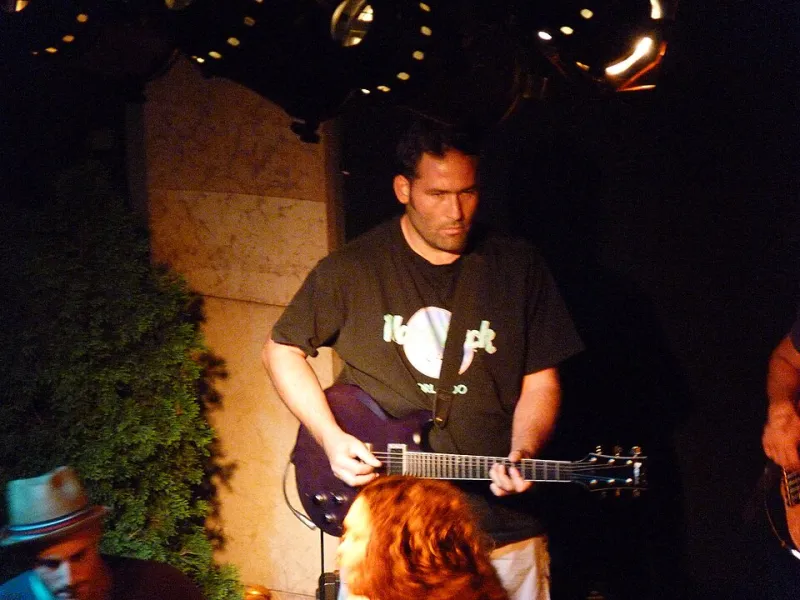
Photo: Derzsi Elekes Andor, CC BY-SA 4.0, via Wikimedia Commons
For much of the twentieth century, the African foundations of Latin American music were treated as a kind of background architecture — present in every beat, every syncopation, every call-and-response phrasing, yet rarely foregrounded in the conversations that shaped the industry. Record labels, radio programmers, and cultural gatekeepers in the United States frequently packaged Latin music in ways that softened or obscured its Afro-diasporic origins, prioritizing marketability over historical honesty. That era of selective storytelling is now confronting a determined and increasingly visible challenge.
A generation of Afro-Latin musicians, producers, and cultural advocates is rewriting the terms of engagement — not by abandoning commercial platforms, but by using them to assert a narrative long denied proper authorship.
The Deep Roots That Were Never Truly Hidden
To understand what is shifting, one must first appreciate what was always there. The rhythmic vocabulary of Cuban son, the trance-inducing percussion of Afro-Brazilian candomblé, the coastal Colombian currulao, the Afro-Peruvian cajón — these traditions carry the living memory of enslaved Africans who were transported to the Americas and who, in the face of extraordinary violence and displacement, constructed new musical languages from fragments of West and Central African heritage.
These were not marginal contributions. They were structural. Without the clave, there is no salsa. Without the batuque, there is no samba. Without the bomba, there is no Puerto Rican popular music as we know it. Scholars and community historians have documented these connections for decades, yet mainstream recognition — particularly in the United States, where Latin music has long been consumed enthusiastically but often understood superficially — has arrived unevenly and incompletely.
The Rigo Camerano Cultural Foundation has long held that genuine cultural preservation requires confronting these silences honestly. Recognizing Afro-Latin musical traditions is not a matter of revisionism; it is a matter of accuracy.
Contemporary Voices Carrying Ancient Weight
The artists now reshaping global perception of Latin music are working across an impressive range of genres and geographies. Afrobeats-inflected reggaeton, Afro-Colombian champeta, Afro-Cuban jazz fusions, and Afro-Brazilian funk are all finding substantial audiences in the United States, particularly among younger listeners who are less bound by the genre categories that once compartmentalized what Latin music was permitted to sound like.
Producers operating out of Miami, New York, Los Angeles, and San Juan are increasingly drawing explicit connections between their sonic choices and their ancestral heritage. This is not merely aesthetic — it is declarative. When an artist incorporates batá drum patterns into a track that will be streamed millions of times globally, they are making a statement about lineage and belonging that transcends the Billboard charts.
Established figures such as Cimafunk, the Cuban funk artist whose work has garnered significant attention in the US independent music scene, and Niña Dioz, the Mexican rapper and activist who consistently centers Afro-Latin identity in her work, represent different points on a wide spectrum of this creative movement. Alongside them, emerging artists from Colombia's Pacific coast and Brazil's favelas are gaining international platforms that previous generations could scarcely have imagined.
Why US Audiences Are Paying Attention Now
Several converging forces have made this moment particularly receptive in the American market. The demographic transformation of the United States — where Afro-Latino communities represent one of the fastest-growing cultural constituencies — has created both a consumer base and an advocacy network that actively supports this music. Streaming platforms, which have dismantled many of the traditional gatekeeping mechanisms, have allowed artists to build direct relationships with listeners without requiring the approval of major label executives who might have previously filtered their work.
Social justice movements of the past several years have also heightened public awareness of anti-Black racism within Latino communities themselves, a conversation that was historically suppressed but is now being conducted with striking candor. That internal reckoning has made space for a more honest cultural accounting, including a reassessment of which musical traditions have been celebrated and which have been minimized.
For US audiences encountering this music through playlists, festival lineups, or social media, the experience can be genuinely revelatory. Hearing the African diasporic ancestry of familiar Latin sounds articulated explicitly — through liner notes, artist interviews, or the music itself — often prompts a reexamination of everything one thought one understood about the genre.
Preservation as an Act of Cultural Justice
The Rigo Camerano Cultural Foundation views the current prominence of Afro-Latin music not simply as a market trend but as a form of cultural restitution. When communities that were historically denied credit for their creative contributions begin to receive it — when their names appear on marquees, their stories are told in documentaries, their traditions are taught in schools — something important is being restored.
This restoration carries obligations. Documentation matters. The sacred percussion traditions of Afro-Cuban Lucumí practice, for instance, exist in a complex relationship with commercial music: they have influenced countless popular recordings, yet their ceremonial context demands a kind of respect that commercial appropriation routinely fails to provide. Organizations dedicated to cultural preservation must navigate this tension thoughtfully, supporting visibility while also protecting integrity.
Community-based archives, oral history projects, and educational partnerships between US universities and Latin American cultural institutions are all contributing to a more durable record of Afro-Latin musical heritage. These efforts ensure that the current moment of recognition does not remain a fleeting trend but instead becomes the foundation for a more complete and honest cultural history.
A Revolution Built on Memory
What distinguishes the best of this movement is its refusal to treat the past as merely decorative. The artists and advocates driving the Afro-Latin sound revolution are not simply sampling history — they are in active, disciplined conversation with it. They study. They consult elders. They insist on context.
For the Rigo Camerano Cultural Foundation, this approach represents the highest form of artistic integrity: creativity that is simultaneously forward-looking and deeply rooted. The global music industry is being reshaped not by artists who have abandoned their inheritance, but by those who have chosen to carry it — loudly, proudly, and with full knowledge of what it cost their ancestors to preserve it.